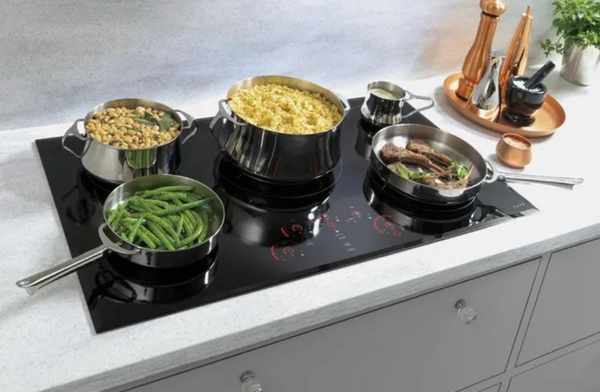
It is 6:00 PM on a packed weeknight, and your hungry family is waiting for dinner. You place a massive pot of water on the burner for pasta, crank the dial to high, and stand there watching nothing happen for what feels like hours. This daily waiting game forces many homeowners to research an electric stove vs induction cooktop when it comes time for an upgrade. Trying to cook a fast meal on a slow burner adds unnecessary stress to an already busy schedule.
Our local appliance team has already sorted through the noise to make your upgrade easy. We created this comprehensive guide to break down exactly how these two technologies perform in real kitchens. You will discover the differences in heating speeds, cookware requirements, daily cleaning routines, and upfront pricing so you can pick the perfect fit for your home.
Upgrade Your Cooking Experience
Shop the best selection of cooking appliances with expert local guidance.
Key Takeaways
- Heating Technology: Electric ranges use heated coils to transfer warmth, while induction units use magnetic fields to heat the pan directly.
- Cooking Speed: Magnetic technology transfers energy much faster, cutting boil times nearly in half compared to traditional electric units.
- Cookware Needs: Induction requires magnetic pots and pans like cast iron, while standard electric surfaces work with any flat-bottomed cookware.
- Cleaning Convenience: The cooler surface of an induction range stops food from baking on, making cleanup a simple wipe-down.
How They Work: Core Differences in Heating Methods
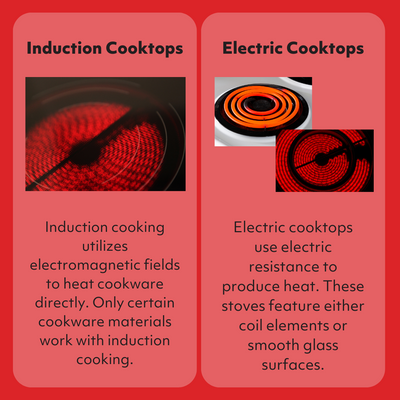
The biggest difference between these two appliances happens right beneath the glass surface. Standard electric models rely on radiant heat cooking to prepare your food. The appliance sends electricity through internal metal coils, which get red hot and transfer that heat through the glass up into your pan. This method warms up the entire surrounding cooking zone.
Induction takes a completely different scientific approach. Instead of getting hot itself, the appliance uses electromagnetic heating to create an active magnetic field. This magnetic field cooking method interacts directly with the metal in your cookware, turning the pot itself into the heat source. The glass top simply acts as a resting place for the pan.
Because the appliance only heats the metallic pan, the surrounding glass top stays remarkably cool. You only feel the leftover warmth that transfers back down from the hot pan after cooking. This direct heat transfer makes the cooking process highly efficient.
Speed and Energy Efficiency Showdown
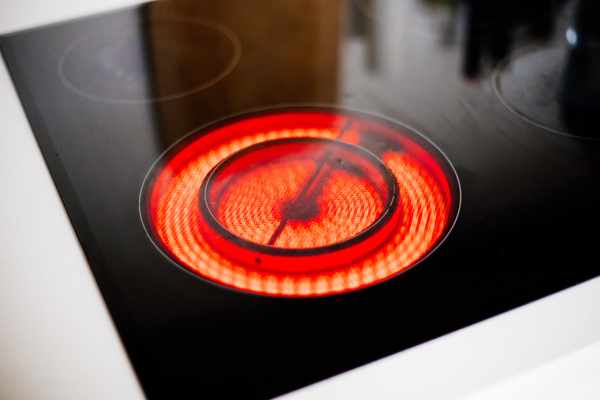
Waiting for water to boil can slow down your entire evening. When you need a fast water boil induction wins the race easily. Because the magnetic energy interacts directly with the metal pan, there is almost no heat loss into the surrounding air. This direct transfer delivers unmatched temperature control precision, allowing you to drop from a rapid boil to a gentle simmer instantly.
Standard electric units lose a significant amount of heat during the transfer process. Induction transfers roughly 90 percent of its electromagnetic energy directly to the pan, compared to roughly 70 percent for standard electric models. This makes modern magnetic models some of the most energy efficient cooktops on the market today.
This massive difference in thermal efficiency impacts your entire home environment. Because less heat escapes into the air, your kitchen stays noticeably cooler during hot summer months. You save money on your monthly energy bills while also giving your home air conditioner a much-needed break.
Side-by-Side Comparison: Electric Stove vs Induction Cooktop
| Feature | Electric Stove | Induction Cooktop |
|---|---|---|
| Heating Method | Radiant heat coils warm the glass | Magnetic fields heat the pan directly |
| Average Time to Boil Water | Slower, taking 8 to 10 minutes | Very fast, often under 5 minutes |
| Energy Efficiency Percentage | Roughly 70 percent efficient | Roughly 90 percent efficient |
| Cookware Requirements | Works with any flat-bottomed pan | Requires magnetic cookware |
| Surface Burn Risk Safety | High, as the glass gets very hot | Low, as only the pan heats up |
| Average Upfront Cost | Very affordable entry price | Higher initial investment |
The Cookware Factor: Do You Need New Pots and Pans?
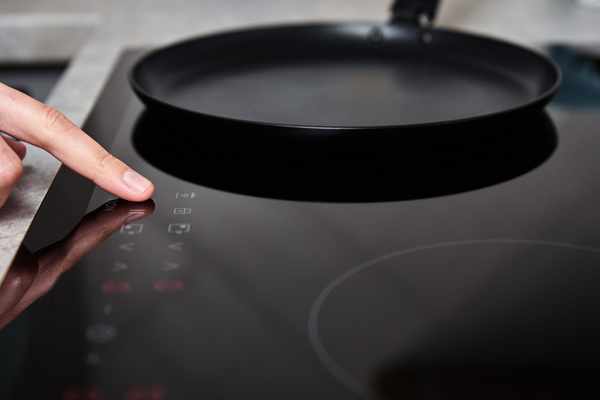
Cookware compatibility is the most common hurdle shoppers face when upgrading their kitchen. Because standard electric models use radiant heat, you can use almost any flat-bottomed pot or pan you already own. Induction cooking is much more restrictive.
Testing Your Current Cookware
You must use magnetic metal for the electromagnetic technology to activate. You can easily test your current collection with a basic refrigerator magnet. If the magnet sticks strongly to the bottom of the pan, it will work perfectly on a magnetic cooking surface. Heavy cast iron pans induction compatible pots, and most stainless steel sets will pass this test with ease.
Incompatible Materials
If you try to use a standard aluminum, copper, or glass pan on a magnetic surface, the burner simply will not turn on. The appliance cannot complete the magnetic connection, leaving your food completely cold. When planning your kitchen upgrade, we recommend budgeting an extra few hundred dollars for a new set of compatible pots. This prevents the frustration of installing your new appliance only to realize you cannot cook dinner that night.
The Pros and Cons of an Electric Stove vs Induction Cooktop
Every kitchen is different, and the right choice depends on your daily cooking habits and budget. Here is a quick breakdown of the benefits and drawbacks of these two cooking technologies to help you make an informed decision.
Pros
Rapid Heating
Magnetic cooking drops boiling times drastically and offers instant temperature adjustments.
Cooler Kitchen
Less wasted ambient heat keeps your home comfortable during heavy summer meal prep.
Universal Cookware
Standard electric models let you keep using your favorite copper or aluminum pots.
Safer Surfaces
Magnetic glass tops stay much cooler to the touch, protecting small hands from severe burns.
Cons
Initial Appliance Price
Advanced magnetic models require a noticeably higher investment right out of the box.
New Pan Requirements
You will likely need to replace your non-magnetic aluminum or copper pots to use a magnetic cooktop.
Burn Risk and Cleaning Differences in Modern Cooktops
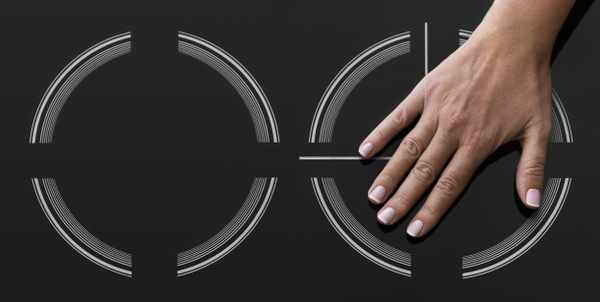
Daily kitchen maintenance looks very different depending on the heating technology you choose. Spilling a pot of soup on a radiant glass surface causes the food to instantly burn and carbonize onto the hot glass. This creates a difficult glass top stove cleaning routine that often requires special chemical solutions, razor scrapers, and heavy scrubbing to fix.
Magnetic models offer a much friendlier cleaning experience. Because the glass itself does not get screaming hot, accidental spills do not instantly bake onto the surface. You can simply wipe away most messes with a damp microfiber cloth once you remove the pan.
Safety is another major factor for families with young children or pets. Standard radiant burners stay dangerously hot long after you turn the dial off. Many modern units include residual heat indicators to warn you, but the cooler glass of a magnetic unit inherently reduces the risk of accidental burns.
Budgeting for Upfront Price and Electrical Upgrades
The upfront appliance cost is usually the deciding factor for most kitchen renovations. Standard radiant units are highly affordable and remain a fantastic option for homeowners on a strict budget. Magnetic models cost more initially, but you do save money on your utility costs over the lifespan of the appliance.
You also have to consider the physical induction range installation process. Both appliance styles generally plug directly into a standard 240v outlet behind the stove. However, advanced magnetic ranges can draw more total amperage when running multiple burners on high simultaneously.
As a professional installation tip, always check your home electrical panel before purchasing a high-end magnetic range. Older homes with 40-amp appliance breakers often need an electrician to upgrade the dedicated circuit to 50 amps to handle the intense power draw of modern magnetic cooking zones without tripping breakers.
Choosing the Right Fit: The Electric Stove vs Induction Cooktop

Choosing between an electric stove vs induction cooktop comes down to your budget, current cookware, and need for speed. Radiant models offer incredible affordability and universal pot compatibility, while magnetic models deliver unmatched boiling speeds and a safer, easy-to-clean surface. Our appliance experts at Plaza Appliance Mart are ready to help you find the exact right fit for your home. Visit our local showroom today to experience these appliances firsthand, and take advantage of our professional installation and dedicated customer service you simply will not find at the big-box stores.
Frequently Asked Questions About Electric Stove vs Induction Cooktop
Professional chefs overwhelmingly prefer induction over standard radiant electric units when gas is not an option. The magnetic technology offers the instant, precise temperature control required in high-end commercial kitchens.
Induction cooktops can potentially interfere with certain pacemakers if the user leans directly over the active magnetic field. Individuals with cardiac implants should consult their cardiologist for specific safety clearance before operating one.
If you place an incompatible aluminum or copper pan on an induction stove, the appliance will simply not turn on. The burner requires a magnetic connection to activate, meaning the pan and your food will remain completely cold.
Yes, induction cooking often produces a slight buzzing or humming sound when operating on higher power settings. This noise is completely normal and is caused by the magnetic vibrations interacting with the metal layers of your cookware.
Standard electric glass top stoves can scratch if you drag heavy, rough-bottomed cast iron pans across the hot surface. You must lift your pots directly up and clean spills quickly to maintain a smooth, scratch-free finish.
It is generally cheaper to run an induction cooktop because the magnetic energy transfer is highly efficient with very little heat waste. While the monthly energy savings are modest, they do add up over the typical decade-long lifespan of the appliance.
Why Trust Plaza Appliance Mart?
Plaza Appliance Mart is a local, family-owned, appliance store in North Carolina where you can get personalized, expert service that you won’t find at the big box stores. Plaza Appliance Mart is YOUR source for competitive prices with knowledgeable in-store professionals here to help you every step of the way, whether you need to replace an old appliance, or if you're remodeling and need an entire kitchen full of new brand-name products. And, our delivery and installation specialists will assure that your new appliances arrive safely and are installed properly.
If you were to ask the employees at Plaza Appliance Mart about their roles in the company, they'd say they're not just employees, they're family. So as you might imagine, a team of professionals like this who are already so tightly knit and bonded together make for a perfect partner with the Ronald McDonald House of Charlotte. Apart from their community ties, Plaza Appliance is an accredited Better Business Bureau company with an A+ Rating.
Shop Electric & Induction Cooktops at Plaza Appliance Mart
Stop by Plaza’s Charlotte, Huntersville, Matthews, or Pineville locations to see what a difference buying local with an experienced staff can make. Or shop Electrolux washers and dryers online! Our friendly experts are always happy to help you — whether you call us at 704-568-7600, use our online chat feature, or visit us in person.
Learn More: 3 Best Stacked Washer and Dryer Reviews